Where the Night Belongs
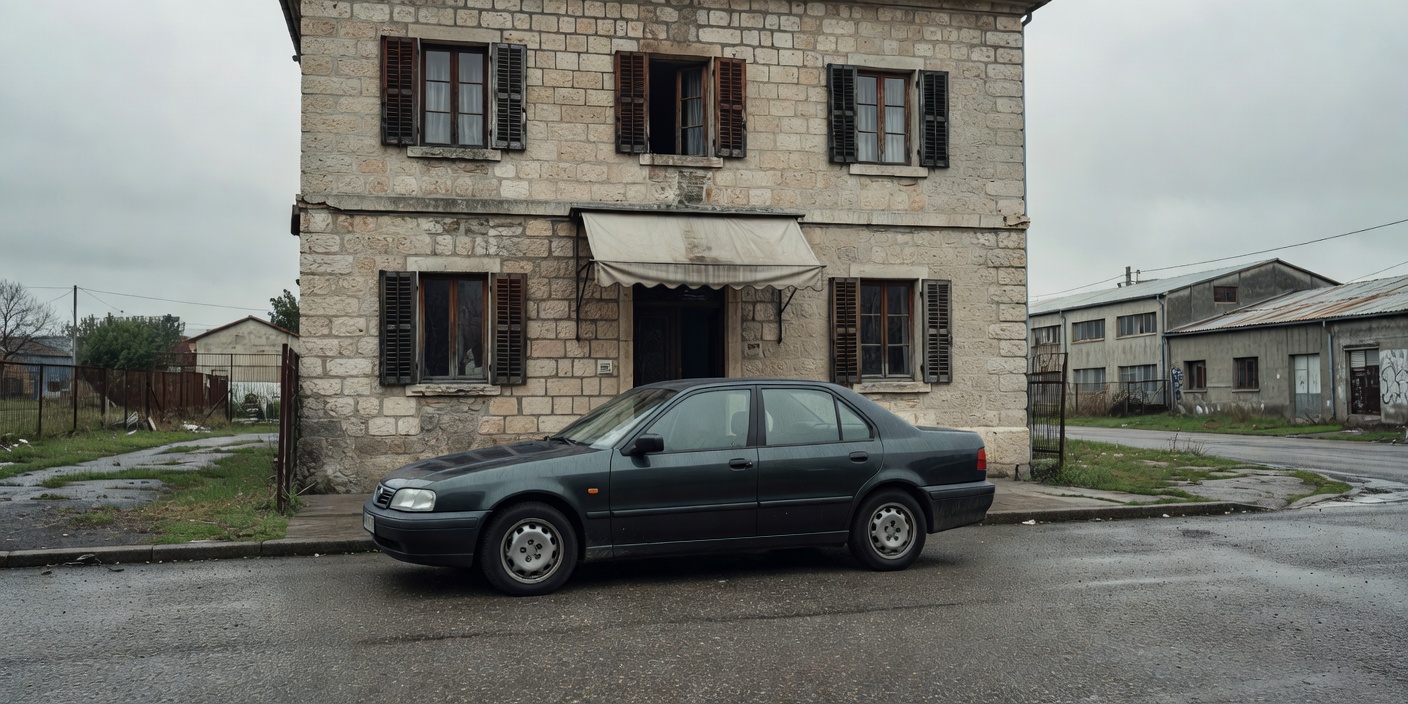
When booking a European stay during a multi-day drive, the geographic placement of the property is arguably more critical than the room's thread count. A picturesque townhouse in the dead centre of Florence or a medieval quarter in York might look spectacular on a booking platform, but arriving at dusk in a vehicle heavily laden with luggage presents immediate, stressful logistical hurdles. The decision of where to base yourself for the night dictates the tempo of your evening and the ease of your departure the next morning.
The Urban Centre vs. The Urban Fringe
Historic European cities were simply not designed for the modern automobile. Cities across Italy (ZTL zones), France (Crit'Air), and Germany (Umweltzone) restrict vehicular access to central zones. Booking a hotel directly next to the cathedral often means you cannot legally drive to the front door. You will be forced to find an expensive, off-site municipal parking garage and drag your luggage across uneven cobblestones.
Conversely, staying on the urban fringe or in a commercial ring district offers profound advantages for the driver. These hotels frequently feature large, secure, and often free surface car parks. You can leave the bulk of your road-trip gear safely locked in the boot and carry only an overnight bag to your room. From these perimeter bases, you can use local trams, underground trains, or buses to access the historic centre for dinner and sightseeing, returning to a quiet, easily accessible room.
The Rural Route and Agritourism Stays
If your itinerary routes you through the countryside—such as the romantic roads of Bavaria, the rolling hills of Tuscany, or the vast plains of the Spanish interior—rural stays offer unparalleled tranquillity. Establishments like the Italian agriturismo, French chambre d'hôtes, or British country inns provide authentic regional character with the luxury of on-site, unrestricted parking.
However, rural isolation demands forethought regarding meals. If you arrive at an isolated farmhouse at 8:00 PM after a grueling 500-kilometre drive, you must know in advance if they serve dinner on-site. If they do not, you face the prospect of getting back into the car in the dark to hunt for an open tavern in the nearest village. Always verify evening dining options and breakfast service times when selecting remote overnight bases.
Motorway Adjacent: The Tactical Stop
For days focused purely on covering vast distances—perhaps traversing the vastness of the French autoroute network or the German Autobahn—a tactical stay directly adjacent to the highway is often the wisest choice. These purpose-built transit hotels lack romantic charm, but they excel in operational efficiency. They offer 24-hour reception desks to accommodate unpredictable arrival times, brightly lit security-monitored parking, and immediate access to the on-ramp the following morning. When the goal is strictly progress, a tactical motorway stop eliminates the hour lost navigating into and out of a minor town.
Luggage Security Strategy
No matter how idyllic the location, never leave visible luggage in a vehicle overnight. Choose bases where you can back the car against a wall to prevent boot access, or ensure the parking is behind a locked gate if you cannot remove all valuables.
Evaluating the Morning Departure
A successful overnight base is judged by how easily you can leave it. Consider the morning traffic patterns of your chosen location. If you stay on the western edge of a major city but intend to drive east the next morning, you will be fighting rush-hour commuter traffic across the urban core. Always attempt to book accommodation on the outbound side of a city relative to your next day's trajectory. This simple geographical choice can save hours of frustration and ensure your driving day begins smoothly.