Sleep Somewhere Distinctive
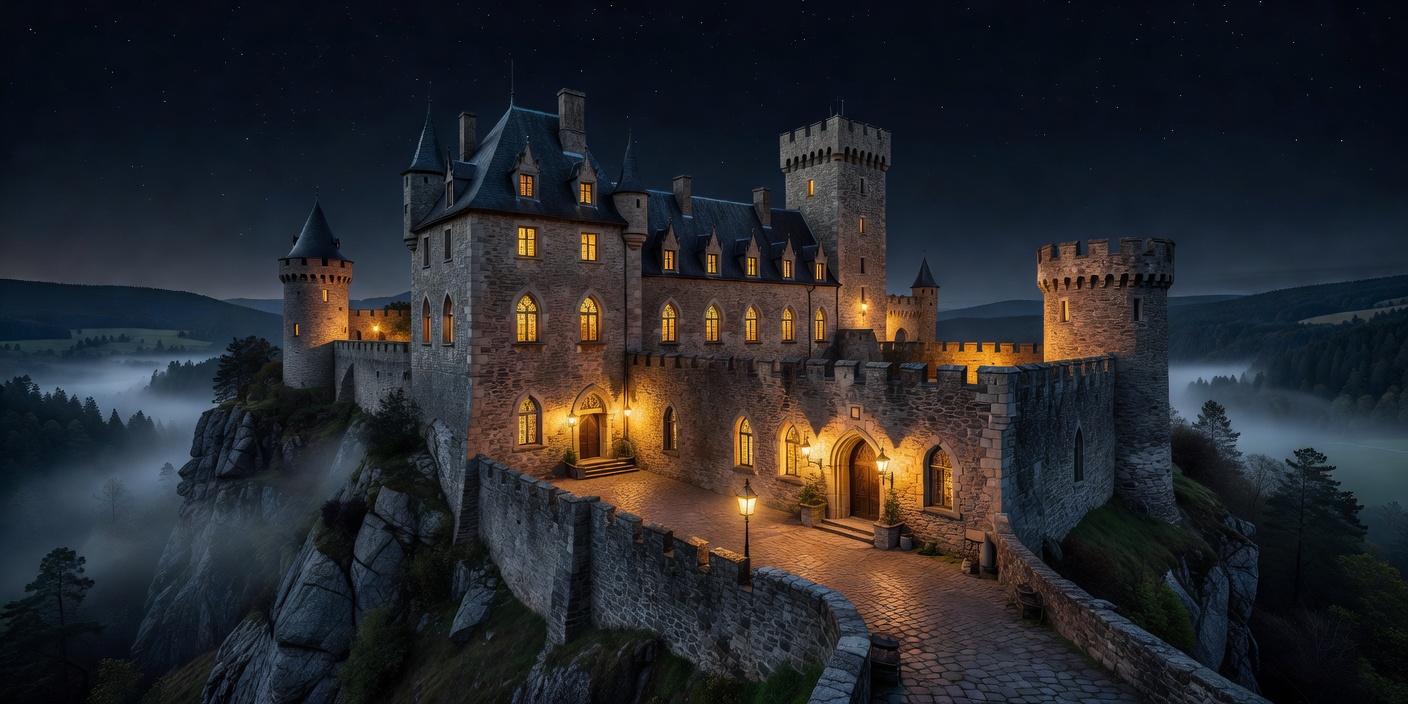
A multi-week driving tour across Europe should not become a blur of interchangeable budget motels. While practicality dictates that some nights are mere transit stops, punctuating your itinerary with distinctive, culturally rooted accommodations elevates the entire journey. Europe excels at repurposing its vast historical infrastructure into unique lodging, offering stays that capture the essence of a region.
The Spanish Paradores & Portuguese Pousadas
Spain and Portugal boast state-run networks of historic hotels known as Paradores and Pousadas, respectively. These properties are often housed in restored castles, former monasteries, convents, and palaces that would otherwise fall into ruin. From the Moorish fortresses of Andalusia to the medieval castles of the Portuguese interior, these establishments offer dramatic, monumental architecture combined with high-end regional dining.
For drivers, Paradores frequently offer an excellent tactical advantage: because they are often located in dominant, elevated positions on the outskirts of historic towns (such as castles overlooking valleys), they usually provide expansive, secure parking grounds, sparing you the nightmare of navigating narrow medieval alleyways below.
Italian Agriturismos
The Italian Agriturismo represents a legal classification of a working farm that derives a portion of its income from tourism. Ranging from rustic alpine dairy farms in the Dolomites to sprawling, luxurious wine estates in Tuscany and Umbria, they are the definitive rural Italian experience.
Staying at an agriturismo immerses you in the local agricultural rhythm. The highlight is almost always the food: many require that the evening meal (often a set multi-course menu) be prepared largely from ingredients grown on the property. Because they are rural by definition, they require a car to access, making them perfect nodes for a driving tour.
French Châteaux and Domaines
Driving through regions like the Loire Valley, Bordeaux, or Burgundy allows you to swap standard hotels for private estates. Many aristocratic families and vineyard operators have converted outbuildings or wings of their châteaux into elegant bed and breakfasts. These Chambres d'hôtes often feature sprawling manicured grounds, antique furnishings, and the opportunity to taste wine directly where it was pressed.
Be aware that the plumbing in a 17th-century château may have eccentricities, and air conditioning is rarely permitted due to historical preservation laws, but the atmosphere is irreplicable.
Alpine Refuges and Gasthofs
When crossing the Alps through Germany, Austria, or Switzerland, the traditional timber-framed Gasthof or mountain refuge offers shelter designed specifically for alpine conditions. Characterized by heavy wooden balconies overflowing with geraniums and menus featuring dense, calorie-rich regional dishes, these inns provide profound comfort after a day of navigating high-altitude mountain passes.
Pacing Your Distinctive Stays
Do not attempt to book a unique, historic property for every night of a long trip. They are often more expensive, and their unique charms (no elevators, remote locations, formal dining times) can become exhausting. The best approach is an alternating rhythm: use efficient chain hotels for heavy driving days, and reward yourself with a distinctive property when you plan to stay for two nights.